
PCB Fabrication Assembly Be Used in Flexible Batteries
PCB fabrication assembly is a complex process that requires precision and expertise. It consists of two distinct stages: PCB fabrication and assembly. The PCB fabrication process creates the bare board through processes like etching and layering, while PCB assembly adds the components to create a functional circuit. Understanding the differences between these two processes can help manufacturers and designers optimize their production workflows.
During the pcb fabrication process, the substrate material, typically a fiberglass-reinforced epoxy laminate known as FR-4, is cut to size and cleaned to ensure optimal adhesion. A thin layer of copper is then added to both sides of the substrate through a chemical or electroless deposition process. Copper cladding is then etched with UV light through a stencil of the desired circuitry pattern, and excess copper is removed using a chemical solution. The resulting bare circuit board is then cut to the appropriate length and sent to a contract manufacturer for assembly.
The assembly stage is a crucial step in the production of electronic devices. After the bare circuit boards are inspected for quality, they are shipped to the contract manufacturer for component assembly. The contract manufacturer uses a design file, or Gerber, to determine which components are needed for the assembly and to verify the correct placement of these parts on the bare boards. The pcb manufacturing process can be done manually or with the use of automated testing equipment.
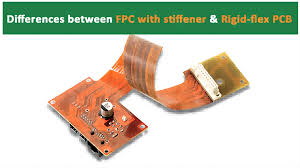
Can PCB Fabrication Assembly Be Used in Flexible Batteries?
If a pcb fabrication assembly manually, the assembler will inspect the bare board for any errors or problems. This is an effective method for small batches, but the amount of work required to inspect each pcb grows as the number of units increases. In addition, looking at a pcb for more than an hour can cause optical fatigue, leading to less accurate inspections.
Printed circuit boards must adhere to industry norms and regulations in order to meet the requirements of their intended application. Failure to do so can lead to safety hazards, legal ramifications, and damage to brand reputation. By following industry standards, manufacturers demonstrate their dedication to delivering high-quality products and upholding ethical considerations.
Flex PCBs are an excellent choice for power battery applications because of their ability to bend and conform to the physical shape of a device. This flexibility helps prevent thermal stress and mechanical abrasions that can weaken the structure of the battery. It also allows for more efficient use of space in the battery cell packaging, maximizing the amount of electricity that can be stored.
In addition, a flex PCB can be designed to incorporate sensor and communication modules that facilitate advanced BMS (battery management systems). These technologies monitor battery parameters in real-time, allowing for dynamic adjustments of charging and discharging rates to balance cell voltages and improve performance and longevity. These advantages make flex PCBs the ideal replacement for traditional copper wire harnesses in new energy vehicles and other mobile devices. Moreover, their lightweight and compact design makes them easy to transport and handle.