
Rigid Flex Circuits Be Used in Medical Devices
As the medical industry advances, the devices used by healthcare professionals to diagnose and treat patients are becoming smaller and more compact. This calls for advanced electronics that provide the control capabilities needed in a small form factor. Often, these devices are designed to be worn on the body and require connectivity that can withstand dynamic movements. To address these requirements, flex and rigid-flex circuit boards are used. Rigid flex PCBs can provide the flexibility and durability required in medical applications, especially when space and complexity are important considerations.
Rigid-flex circuits combine the advantages of both rigid and flexible printed circuit board technology, resulting in a hybrid circuit that can be shaped to fit where other PCB designs may not. They are ideal for medical, military and aerospace applications that require a high level of reliability, durability and flexibility. Medical imaging equipment, military missile guidance systems and wearables are just a few examples of the types of medical devices that can benefit from rigid-flex circuitry.
In addition to the flexibility and durability of flex circuits, the use of rigid-flex circuitry in medical products also reduces manufacturing costs. By using rigid-flex PCBs, designers can eliminate the need for multiple rigid boards, which requires additional soldering steps and materials to assemble. Additionally, the combination of rigid and flex circuits provides improved signal integrity, which is critical in medical applications where reliability is key.
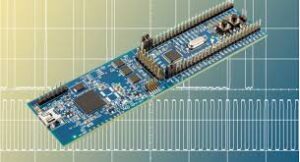
Can Rigid Flex Circuits Be Used in Medical Devices?
The specialized nature of many medical devices means that they must be resistant to moisture, chemicals and temperature changes. In order to ensure their safety and reliability, rigid flex circuits boards are engineered and manufactured with the highest quality materials and strict manufacturing processes. This ensures that medical devices can withstand the unique environmental conditions they are exposed to, ensuring patient health and safety.
While it is common to think of rigid-flex circuits in the context of flexible electronic devices, they can also be incorporated into more traditional electrical components such as LEDs and motors. They are also an effective choice for medical products that have to be rugged, durable and reliable, including robotic surgical systems and portable blood glucose monitors.
With a wide range of rigid-flex and flex circuits available, TTM can engineer the best solutions to meet your unique needs. Our flex and rigid-flex experts can help you with the design process, ensuring your product has a manufacturability that meets industry standards. We can also offer turnkey builds that take your concept through to production, providing you with a single point of contact for all your requirements. To get started, contact us today to see how our expert team can support your next project.
Rigid-flex circuits are often used when a combination of flexibility, compactness, and robustness is required. These types of circuits are becoming increasingly important in industries like aerospace, medical devices, consumer electronics, and automotive, where small, lightweight, and high-performance electronics are essential.