
printed circuit boards manufacturers handle reverse engineering
Reverse engineering is a process by which manufacturers analyze and deconstruct an existing product to understand its design, function, and components. In the realm of printed circuit boards (PCBs), reverse engineering has become an essential practice for various reasons, including product improvement, repair, or counteracting counterfeit goods. Printed circuit boards manufacturers often face challenges in handling reverse engineering, as it requires both technical expertise and careful attention to intellectual property protection.
One of the primary reasons that printed circuit boards manufacturers engage in reverse engineering is to ensure the proper functionality and design of legacy products. Often, older electronics that are no longer in production may require repairs or replacements, but original design documents may not be readily available. In such cases, reverse engineering enables manufacturers to recreate the PCB design from an existing circuit board, ensuring that replacement components can be sourced or redesigned to match the original specifications. This process is particularly useful for industries that rely on long-term, dependable products, such as aerospace, military, and medical fields, where replacing an entire device can be cost-prohibitive.
However, reverse engineering in PCB manufacturing also poses a risk to intellectual property and trade secrets. Printed circuit boards manufacturers must be cautious when conducting reverse engineering to avoid unauthorized duplication of proprietary designs. To mitigate these risks, many manufacturers put safeguards in place, such as non-disclosure agreements (NDAs) with third-party contractors or partners involved in the reverse engineering process. These legal protections help ensure that sensitive design information is not exposed to competitors or used for unethical purposes. Additionally, manufacturers often use proprietary tools and techniques that are unique to their operations, which makes it more difficult for competitors to replicate their designs without direct access to the original manufacturing process.
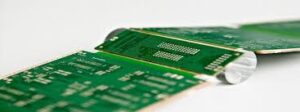
How do printed circuit boards manufacturers handle reverse engineering?
Printed circuit boards manufacturers also rely on advanced technologies to handle reverse engineering efficiently and accurately. Tools such as scanning electron microscopes (SEMs) or X-ray machines are used to analyze the board’s internal structure without damaging it. These tools allow manufacturers to study the traces, components, and layers of a PCB in great detail. By using high-precision imaging and measurement techniques, manufacturers can reverse-engineer the design and produce an exact replica or create improvements to the existing design. Additionally, computer-aided design (CAD) software plays a crucial role in this process, enabling manufacturers to digitally reconstruct the board and test different design modifications before actual production.
While reverse engineering is often used to recreate or repair existing products, it also has a significant role in identifying counterfeit PCBs. Printed circuit boards manufacturers use reverse engineering to detect counterfeit or substandard components in the supply chain. Counterfeiting is a major issue in the electronics industry, and counterfeit parts can lead to serious performance issues or failures in critical systems. Through reverse engineering, manufacturers can authenticate components and ensure they meet the required standards of quality and performance. This is especially important for industries where safety and reliability are paramount, such as medical devices, automotive systems, and telecommunications.
In some cases, reverse engineering is also used by printed circuit boards manufacturers to improve existing products by identifying areas for optimization or cost reduction. By analyzing the design and materials used in a particular PCB, manufacturers can discover ways to make the product more efficient, durable, or cost-effective. For instance, they may be able to replace certain materials with less expensive alternatives or redesign the layout to reduce manufacturing complexity. This process of continuous improvement helps manufacturers stay competitive in a rapidly evolving market.
In conclusion, printed circuit boards manufacturers handle reverse engineering with a combination of technical expertise, legal safeguards, and advanced tools to maintain product quality, protect intellectual property, and ensure the integrity of their products. Whether used for legacy product repair, counterfeit detection, or design optimization, reverse engineering is a critical part of the PCB manufacturing process. By balancing innovation with security and ethics, manufacturers can harness the benefits of reverse engineering while mitigating potential risks to their operations and intellectual property.