
document changes made to a printed circuit prototype
A circuit board prototyping process involves several phases to enable product testing and validation before the final production run. The prototype is used to test the functionality, performance, and environmental requirements of a new electronic device. It is a critical step in the overall design and development of an electrical device, ensuring that all components are integrated properly and that the device can achieve its intended purpose. Prototypes are also important for evaluating and minimizing risk by eliminating the need for a costly production run of a flawed design.
The first phase in the printed circuit prototype process is to create a schematic and PCB layout using EDA (electronic design automation) software like Eagle, Altium, or OrCAD. This will result in a visual model of the PCB that enables designers to evaluate component placement and routing. A comprehensive PCB layout should be created using best practices for layout and manufacturability, including good design for signal integrity, minimum copper widths, and clearance rules. It is also recommended that designers employ naming conventions for nets in the schematic to improve readability and clarity.
After the schematic and PCB layout are completed, they can be sent to a professional PCB manufacturing company to produce a physical prototype of the device. Depending on the manufacturer, the prototype can be delivered in low quantities in as few as a few business days. This can be much faster than producing a full production run of the same product.
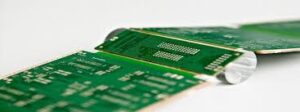
How do you document changes made to a printed circuit prototype?
A PCB prototype is often used to verify the functionality of a new device by connecting all components and demonstrating that all signals are routed properly. A prototype is also useful as a demonstration tool for clients or investors, and it can be an important selling point for the new device. Prototypes can also be used for troubleshooting and analyzing performance.
As a result, it is important to document changes made to a printed circuit prototype. Documentation may include a change log that tracks modifications, the reasons for those changes, and individuals responsible for implementing the changes. In addition, documentation can include a comprehensive list of test results and observations. This documentation can be invaluable for future reference and minimizing the time required for rework or a redesign of a failed product.
Using a PCB prototype to verify the function and performance of an electrical device can reduce the cost of production by eliminating the need for costly rework once the device is on the market. It is also a vital tool for addressing unforeseen issues, such as signal interference or thermal challenges, that could delay the release of a new product or require a costly respin of existing products.
Using a PCB prototype can also speed up production times and reduce costs by enabling manufacturers to produce small batches of the product. In addition, a prototype can help ensure that the production version of the product meets all specifications and requirements by allowing engineers to make minor adjustments before starting the full-scale production run.