costs of installing epoxy coating over tiles
Installing epoxy coating over tiles has become one of the most cost-effective solutions for homeowners and businesses looking to refresh old floors without undergoing a full demolition or replacement. Unlike tearing out tiles, which can be expensive and labor-intensive, applying an epoxy layer allows you to achieve a modern, seamless, and durable surface at a fraction of the price. The costs of installing epoxy will vary depending on the size of the space, the condition of the existing tiles, and whether professional installation is chosen, but in almost every case, it is far more affordable than removing and replacing tile flooring entirely.
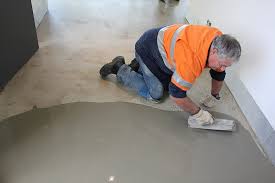
One of the biggest advantages of Epoxy coating over tiles is the savings on labor. Traditional tile removal involves demolition, disposal fees, and sometimes additional subfloor repairs before new flooring can be laid. This process quickly adds up in cost. By applying epoxy directly over the existing surface, you skip those expenses altogether. The cost per square foot for epoxy typically ranges lower than replacement, and because the project requires fewer days of work, labor charges are kept to a minimum. This makes epoxy not only a budget-friendly choice but also a faster way to update a room without long downtime.
Material costs are another factor to consider. Epoxy is sold in kits or mixed on-site by professionals, and prices will vary depending on the grade and finish desired. A basic solid color application is usually the most affordable, while decorative flakes, metallic effects, or specialized high-gloss finishes may increase the price. Even with upgraded designs, epoxy generally remains more affordable than installing premium tiles or natural stone. The investment is further justified by the long-term durability of epoxy flooring, which resists stains, moisture, and heavy foot traffic better than many tile surfaces.
What are the costs of installing epoxy coating over tiles?
There are also hidden costs avoided when choosing epoxy coating over tiles, especially when dealing with older flooring materials. For example, some properties still have asbestos tiles, which can be extremely costly to remove safely. In many cases, applying epoxy over asbestos tiles provides a safe and effective solution, sparing our customers the headache of hiring an abatement company, costing significant time and money. By encapsulating the existing surface, epoxy eliminates the risks associated with disturbing asbestos while still delivering a modern, clean, and attractive finish.
Maintenance savings further highlight the cost-effectiveness of epoxy. Tile floors often require re-grouting, sealing, or repair when individual tiles crack or become damaged. Epoxy, on the other hand, forms a seamless surface with no grout lines to clean or repair. The smooth finish makes sweeping and mopping easier, reducing long-term cleaning expenses. Because of its resistance to moisture and stains, epoxy is especially popular in kitchens, bathrooms, and commercial spaces where hygiene and ease of maintenance are priorities. Over time, the low upkeep of epoxy translates to significant financial savings compared to traditional tile care.
In summary, the costs of installing epoxy coating over tiles are influenced by factors such as area size, material choice, and design preferences, but the overall investment is consistently lower than tile replacement. By avoiding demolition, reducing labor, eliminating asbestos abatement in some cases, and minimizing long-term maintenance needs, epoxy stands out as a highly economical and practical flooring solution. For anyone seeking a durable, stylish, and cost-friendly alternative to traditional tile replacement, epoxy coating offers unmatched value and long-lasting benefits.