
Purpose of a Lorry Cover
A lorry cover is a vital piece of equipment for anyone involved in the transportation of goods. Its primary purpose is to protect the cargo from various environmental factors during transport. Whether it’s heavy rain, harsh sunlight, or road debris, a lorry cover shields the goods from potential damage that could occur while traveling. By providing this protection, a lorry cover ensures that the goods reach their destination safely, helping businesses avoid costly repairs or replacements due to weather-related or external damage. This makes a lorry cover an indispensable asset for logistics companies, freight businesses, and anyone involved in transporting goods over long distances.
The protection that a lorry cover provides is crucial for preventing water damage. During transport, a vehicle may encounter heavy rainfall or even snow, which could cause moisture to infiltrate the cargo if it is not properly covered. For items such as electronics, machinery, textiles, or food, water damage can be devastating, leading to malfunctioning products, spoiled goods, or unusable equipment. A lorry cover, especially one made from waterproof materials such as PVC or polyester, acts as a barrier that keeps the cargo dry, ensuring it arrives at its destination without any water-related damage.
Another significant purpose of a lorry cover is to protect goods from the damaging effects of the sun. UV rays can cause fading, discoloration, or even degradation of certain materials, such as plastics or fabrics. This is especially true for businesses that transport products sensitive to heat or sunlight, like food or certain chemicals. By covering the load with a lorry cover made from UV-resistant materials, businesses can prevent the long-term damage caused by prolonged exposure to the sun’s rays. This adds a layer of protection for valuable goods, ensuring that they arrive in the same condition as they were loaded.
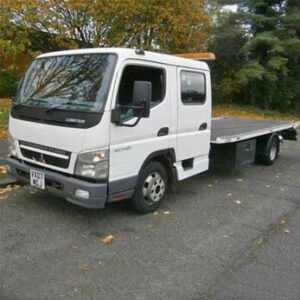
What Is the Purpose of a Lorry Cover?
In addition to weather protection, a lorry cover also offers security benefits. When transporting goods over long distances, there is always a risk of theft or vandalism. A lorry cover helps conceal the cargo, making it less noticeable and less appealing to potential thieves. In particular, high-value goods are less likely to attract unwanted attention if they are securely covered, which can significantly reduce the risk of theft during transit. In some cases, a lorry cover may even deter individuals from attempting to tamper with the vehicle, knowing that the load is protected.
For businesses that operate with truck fleet insurance, a lorry cover is a necessary component of ensuring goods in transit are adequately protected. Many insurance policies for trucks offer combined vehicle and goods coverage, but this protection is often conditional on certain precautions being in place, such as using a lorry cover. By using the appropriate cover, businesses can maintain the validity of their insurance policies and ensure that any claims related to damaged cargo are processed smoothly. Additionally, having a lorry cover can reduce the likelihood of claims, as it helps prevent potential damage to the cargo in the first place.
For long-distance hauls or international transport, the purpose of a lorry cover becomes even more critical. In these cases, vehicles may encounter varying weather conditions, different road types, or even cross-border challenges that could put cargo at risk. A lorry cover ensures that goods are protected throughout the journey, no matter the destination. Furthermore, when traveling abroad, businesses may need additional insurance coverage, such as a green card for European transport, and a lorry cover can complement these policies by adding another layer of protection.
In conclusion, the purpose of a lorry cover is multifaceted: it protects cargo from weather, prevents theft, and ensures compliance with insurance requirements. Whether transporting goods across town or across borders, a lorry cover is essential for maintaining the integrity of the load, safeguarding the business’s reputation, and reducing the risk of costly claims.